On the second day of Rosh HaShana, we read about Abraham binding Isaac. He has built the altar, tied down his son, and taken the knife in his hand. An angel stops him.
An older midrash follows Isaac home to Sarah. She asks him, “My son, what did your father do to you?” He describes the journey, the altar, the knife. She cries out and dies.
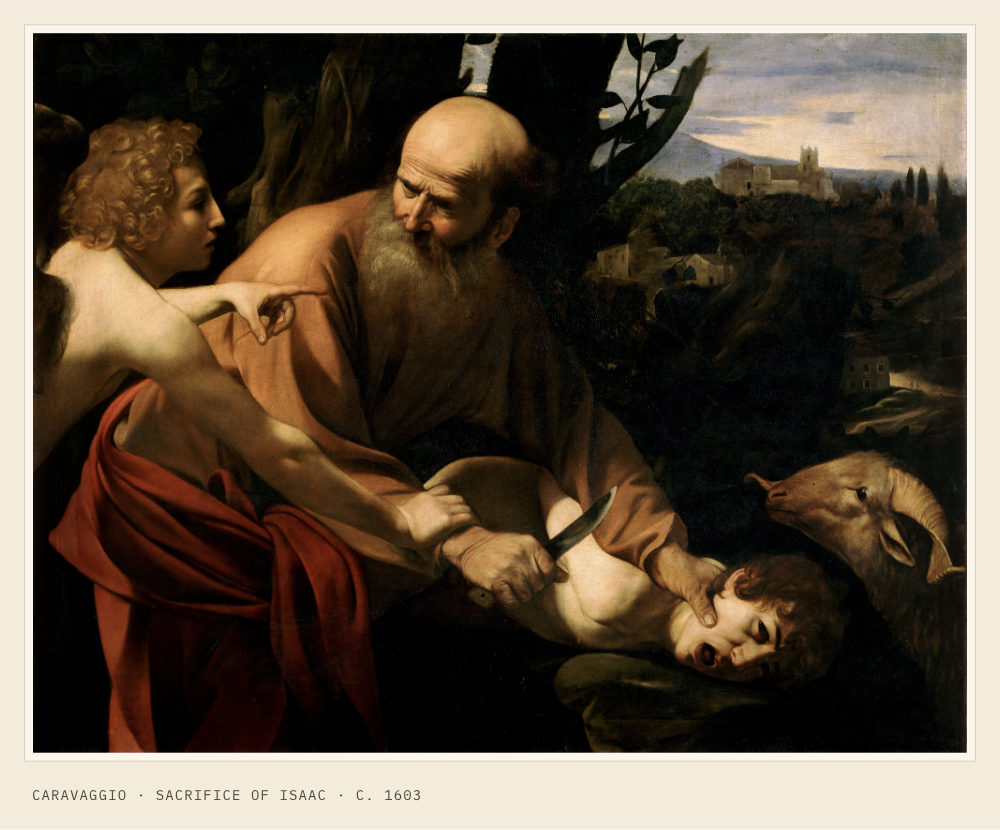
Sarah has her son in front of her. He survived. Hearing what his father did to him is still enough to kill her. A reading that ends with Abraham passing his test has to leave her out.
Her question gives Isaac room to tell what happened to him. Abraham may have a reason for every step of that journey. Isaac still has to live with a father who was prepared to kill him. I find it hard to imagine what trusting that father again would involve.
I admire the conviction to pursue something other people cannot yet see. I want to build things that matter, and I want the resolve to keep going when it is difficult. That makes me susceptible to a story in which the people asking me to stop simply don’t understand what I’m trying to do.
Someone’s distress becomes a necessary cost. A disagreement becomes a failure to understand. Once I can explain every objection this way, how would I recognize a reason to change course?
It gets harder when the person objecting loves me or depends on me. They may keep supporting me while being hurt by what I’m doing. Their willingness to stay can be very convenient evidence that everything is still all right.
I can ask someone close to me what my ambitions have felt like from their side. The harder part is hearing an answer I could not have written for them, especially if it asks me to give up something I still believe is worth doing.
Inspired by my father’s reading of Sarah and Isaac.